
Recently, something small happened that made me think about trust in a whole new way. I’m close with a couple friends who are in a brand-new relationship. They’re already living together, doing life side-by-side, making plans like a “we.” And then one of them wanted to take a girls’ vacation with me—two women, friends, having fun… a cruise, some sunshine, laughter, a little freedom.
Simple, right?
But I could feel something underneath it. Not spoken. Not dramatic. Just… a tension. Like one of them was okay with the trip, but not really okay. Like trust was being negotiated instead of assumed. Like “permission” was disguised as “communication.” And it made me pause, because I’ve been there. I know what it feels like when trust becomes a measurement instead of a foundation.
And it made me ask the question I’ve been turning over ever since:
Is trust something you earn… or something you lose once it’s freely given?
The Way I Used to Think About Trust
If I’m committing to you—emotionally, spiritually, physically—then I’m giving you my trust up front.
Not blindly. Not foolishly. But intentionally.
I’m saying:
“I’m choosing you. I believe in you. I’m not going to start us off like you’re guilty until proven innocent.”
To me, love without trust is just anxiety wearing a pretty dress.
So for years, I lived like this:
Trust is a gift. It’s yours to lose.
And honestly? I still believe that’s how healthy love starts.
But Then I Think About My Marriage…
And I have to sit with a harder truth:
Maybe I was too trusting.
I know now my husband cheated on me repeatedly. And I didn’t just “find out later.” There were signs. There were moments. There were things I questioned—scratch marks, missing time, stories that didn’t add up. Even my children noticed things that didn’t make sense. And every time I brought it up, there was an explanation.
A smooth one. A confident one. A believable one—if you wanted to believe it.
And the truth is… I did want to believe it.
Because the alternative was unbearable.
The alternative was admitting that the person I built my life around—my home, my family, my future—was lying to my face.
So why did I put up with it?
Why did I accept explanations my gut didn’t buy?
Why did I doubt myself instead of doubting the story?
Here’s the answer I keep coming back to:
Because I wanted love to be real.
Because I wanted my marriage to be safe.
Because I wanted my children to have the family I promised them.
Because hope can be stronger than evidence—until it breaks you.
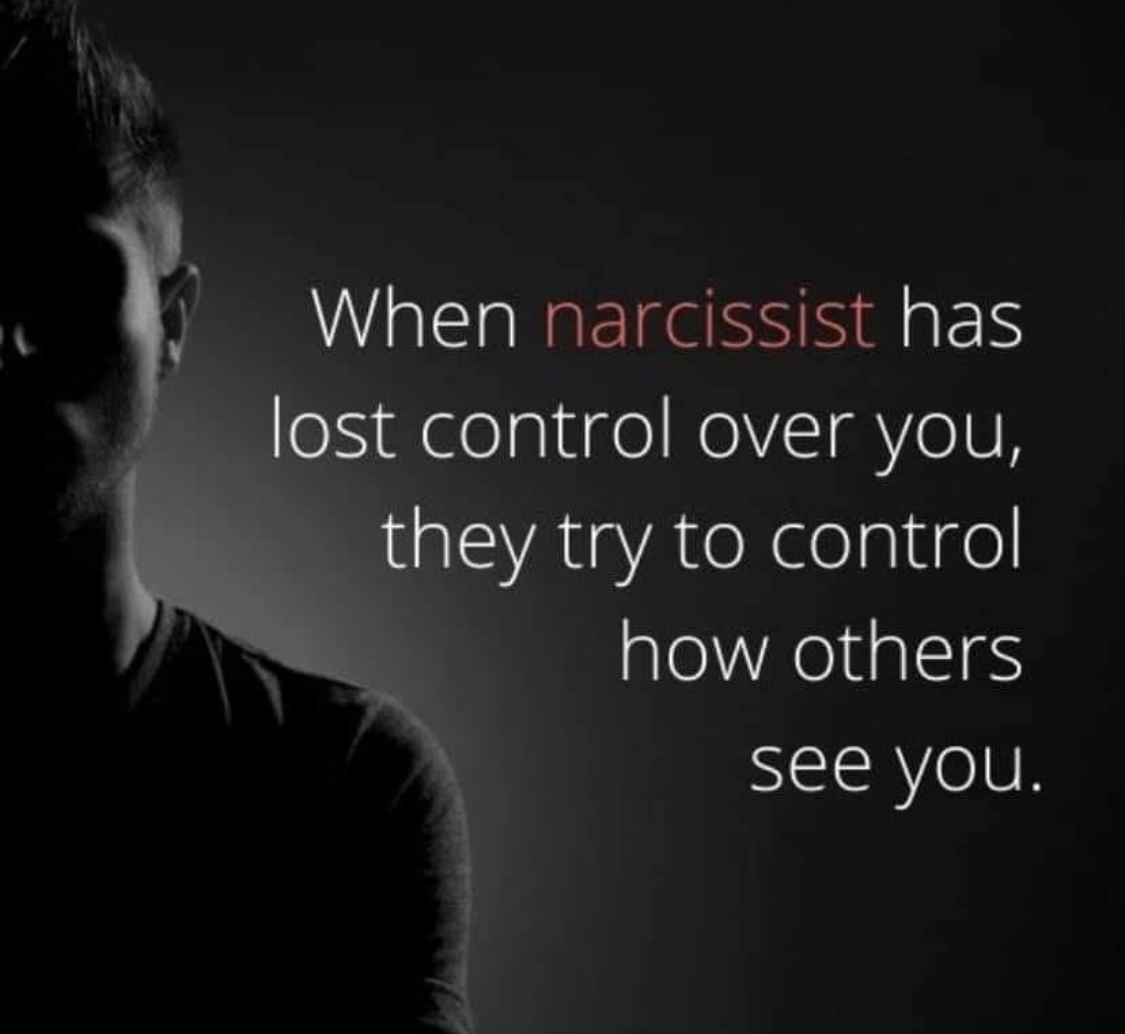
And for many of us who have loved a narcissistic or emotionally manipulative partner, trust becomes more than trust.
It becomes a weapon used against you.
Trust vs. Blind Faith
This is the part we don’t talk about enough:
Trust isn’t supposed to require you to abandon yourself.
Real trust is not you swallowing your instincts.
It’s not you making excuses for someone else’s behavior.
It’s not you “being the bigger person” while you’re shrinking inside.
Trust and blind faith are not the same thing.
Blind faith says:
“I’ll believe you no matter what you show me.”
Trust says:
“I believe you… and I pay attention.”
Trust doesn’t mean you ignore red flags.
Trust means you notice them—and you address them with clarity, not fear.
So… Is Trust Earned or Freely Given?
I think the real answer is:
Both.
Trust is offered in the beginning—because love needs room to grow.
And trust is earned over time—because character is revealed through patterns.
In healthy relationships, it looks like this:
- You start with openness, not suspicion.
- You build security through consistency.
- You repair quickly when something cracks.
- You don’t punish each other with control.
- You don’t demand “proof” of loyalty like a prison guard.
And in unhealthy relationships, it looks like this:
- Trust is treated like a currency—used to manipulate.
- Freedom is labeled “disrespect.”
- Boundaries are interpreted as betrayal.
- Jealousy is dressed up as love.
- You start explaining yourself like you’re on trial.
What Do You Do When Trust Feels Shaky?
If trust feels shaky in a relationship—new or long-term—here are a few truths I wish someone had told me sooner:
1) Trust should never require isolation.
If someone tries to cut you off from friends, experiences, or joy… that isn’t love. That’s control.
2) Trust is built through behavior, not promises.
Words are easy. Patterns tell the truth.
3) Your nervous system knows before your brain admits it.
If you feel like you’re walking on eggshells, explaining, proving, shrinking… listen to that.
4) A trustworthy partner doesn’t fear your freedom.
They don’t need to monitor you. They don’t need to “approve” your life. They don’t need to be convinced you’re loyal—they trust what you’ve shown them.
5) If someone has past wounds, the work is healing—not policing.
Your partner can share their insecurities, but it’s not your job to live smaller so they can feel bigger.
The Lesson I’m Learning Now
Here’s where I’ve landed:
I still want to be a woman who trusts.
Not because people always deserve it—but because I refuse to let betrayal turn me into someone who leads with fear.
But I’m also a woman who trusts wisely now.
I no longer confuse “giving trust” with “ignoring truth.”
I no longer mistake love for loyalty to my own suffering.
And I no longer stay in situations that require me to betray myself to keep someone else comfortable.
Trust is not just something you give to someone else.
Trust is also something you give to you.
To your instincts.
To your boundaries.
To your knowing.
To the part of you that whispered the truth… even when you weren’t ready to hear it.
A Question to Leave You With
If you’ve ever been betrayed, lied to, manipulated, or gaslit—this might be the most powerful question you can ask:
What would my life look like if I trusted myself as much as I tried to trust them?
Because healing isn’t just learning to trust again.
Healing is learning who deserves access to your heart—and who doesn’t.








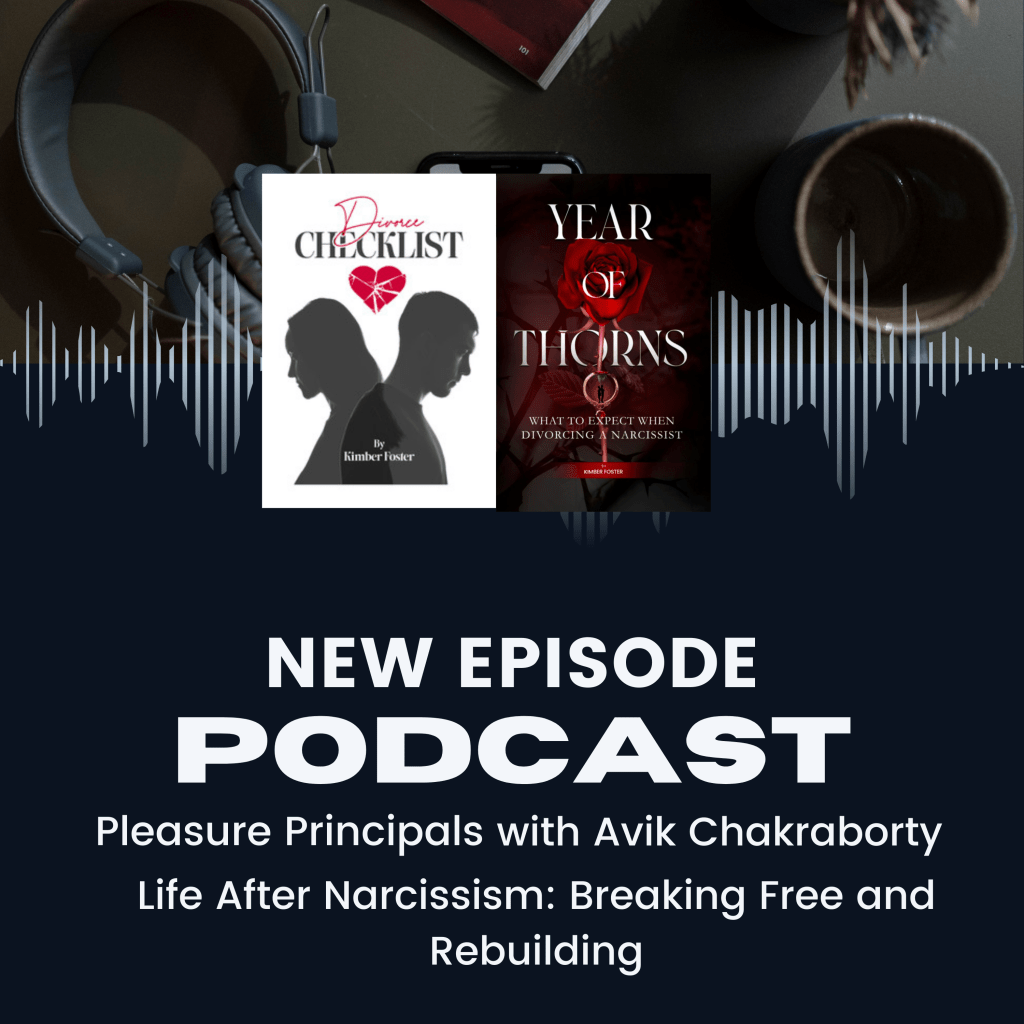

















 Year of Thorns